
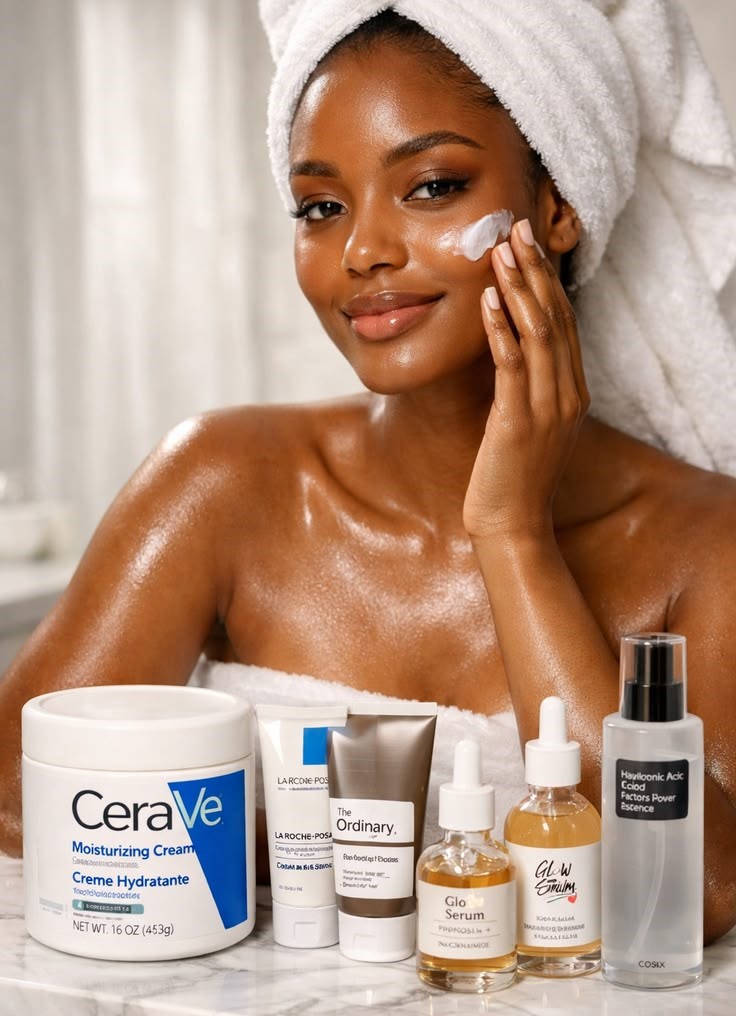
Starting a skincare routine can be exciting until you walk into a beauty store or browse online and realize just how many products are available. Cleansers, toners, serums, exfoliators, moisturizers where do you even begin?
And then there’s the pressure of seeing people online with 10-step routines and seemingly perfect skin. It can make you feel like you’re doing something wrong if all you own is a face wash.
Here’s the good news: you don’t need an expensive collection of skincare products to get started. What you need is a routine that suits your skin, addresses your concerns, and is easy enough to follow consistently.
Let’s look at how to build one.
1. Understand Your Skin Type First

Before buying any skincare product, take a moment to understand your skin. This is important because products that work wonderfully for one person may not work for another.
Generally, there are five common skin types:
- Oily skin: Produces excess oil and may look shiny, especially around the forehead, nose, and chin.
- Dry skin: Often feels tight, rough, or flaky due to a lack of moisture.
- Combination skin: Has both oily and dry areas, usually with an oily T-zone.
- Normal skin: Generally feels balanced without excessive oiliness or dryness.
- Sensitive skin: Reacts easily to certain products or environmental factors, sometimes causing redness, itching, or irritation.
2. Start With Three Essential Products
One common beginner mistake is buying too many products at once. You see a serum promising glowing skin, an exfoliator for smoother texture, and a toner that claims to minimise pores. Before you know it, your bathroom shelf is full.
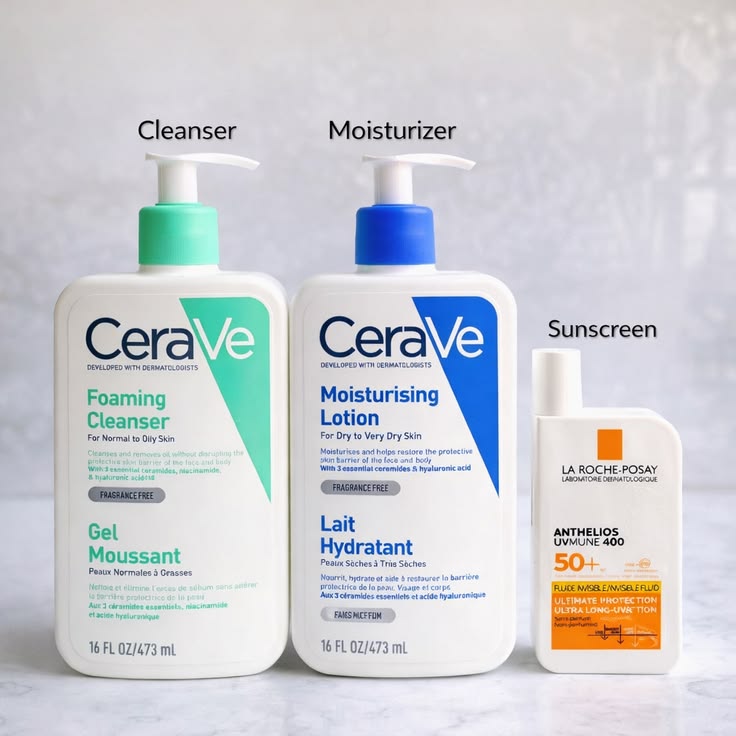
Instead, start with three essentials.
A gentle cleanser: This removes dirt, sweat, excess oil, and other impurities. Choose one that cleans your face without leaving it feeling uncomfortably tight.
A moisturiser: Moisturisers help keep your skin hydrated and support its natural protective barrier. Oily skin still needs moisturising, so don’t skip this step.
A sunscreen: Choose a broad-spectrum sunscreen with SPF 30 or higher. It helps protect your skin against harmful UV rays and reduces the risk of sun damage.
These three products provide a solid foundation for almost any beginner’s routine.
3. Create a Simple Morning Routine
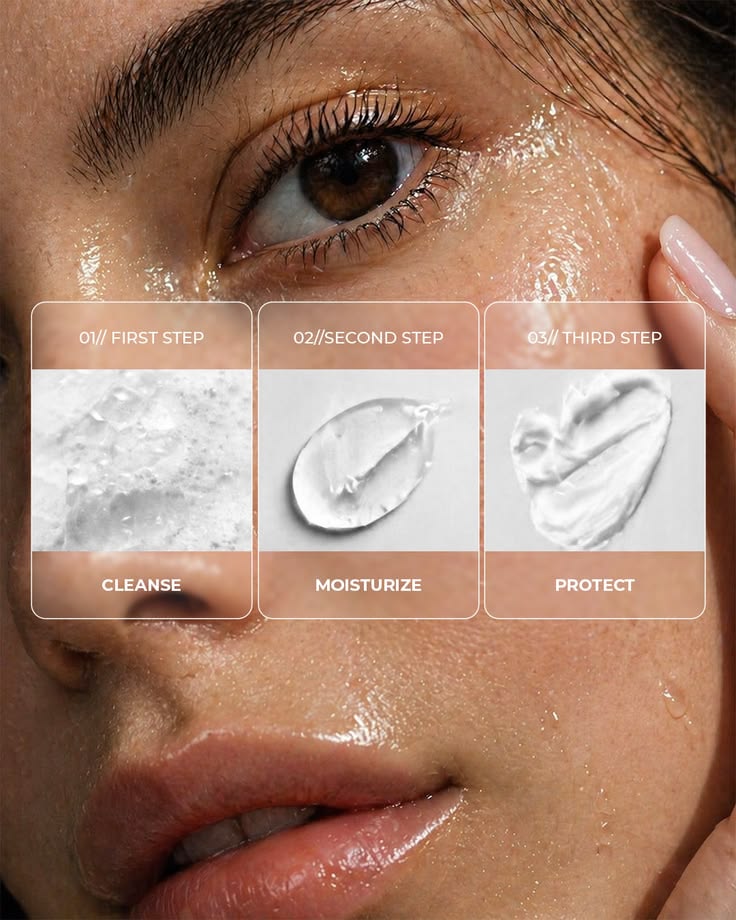
Your morning skincare routine should focus on keeping your skin clean, hydrated, and protected throughout the day.
Here’s a simple order to follow:
- Wash your face with a gentle cleanser.
- Apply your moisturiser.
- Finish with sunscreen.
Apply sunscreen generously and reapply approximately every two hours when outdoors, especially after sweating or swimming.
You don’t need to complicate things. Three steps are perfectly fine.
4. Build an Evening Routine
Your skin needs attention at night, too. Throughout the day, sweat, dirt, oil, and sunscreen accumulate on your face.
Before going to bed:
- Cleanse your face to remove accumulated dirt and sunscreen.
- Apply your moisturiser to help maintain hydration overnight.
Once your skin is comfortable with these basics, you can consider adding products that address specific concerns.
5. Introduce Additional Products Slowly
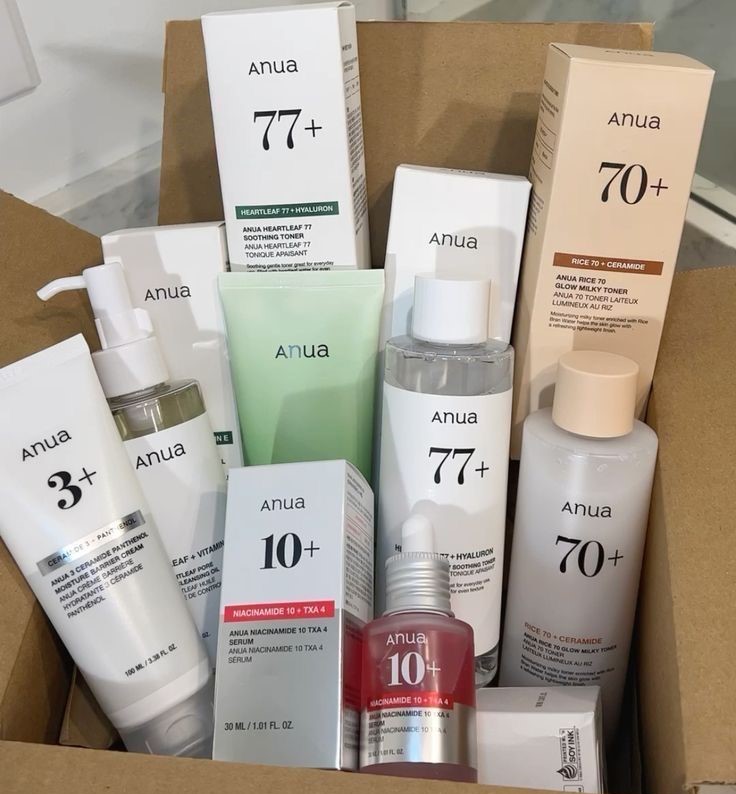
Perhaps you’re dealing with acne, dark spots, uneven skin tone, or clogged pores. This is where targeted skincare products can help.
Ingredients such as niacinamide, salicylic acid, and vitamin C may be useful for different skin concerns.
However, don’t introduce everything at once. Add one new product at a time, patch-test it, and observe how your skin responds. This makes it easier to identify irritation or unwanted reactions.
6. Give Your Skincare Routine Time to Work
Here’s something beginners often underestimate: skincare takes patience.
You may not notice a difference after using a moisturizer for three days, and that’s okay. Some products take several weeks of consistent use before their benefits become noticeable.
Avoid constantly switching products because you haven’t achieved your desired results immediately.
Also, remember that burning, persistent redness, and irritation aren’t signs that a product is working. Stop using products that cause these reactions.
Final Thoughts
Building a skincare routine doesn’t have to be expensive, complicated, or stressful. Start by understanding your skin type, invest in a few essential products, and gradually introduce other products when necessary.
Most importantly, don’t build your routine around what works for influencers or your friends. Build it around what your skin actually needs.
Healthy skincare habits aren’t about having the most products. They’re about consistency, patience, and making informed choices.
Learn skincare mistakes to avoid here
One Comment
[…] Want to learn how to build a skincare routine that works for beginners? Click here. […]